

For such a compact island, Cyprus delivers an incredible amount of variety, making it easy to build a rewarding travel itinerary. For instance, you can wander through ancient ruins, swim at a bright-blue beach, and visit a vineyard in a quiet mountain village – all in the space of one day!
Additionally, the island’s coastal drives offer some of the most visually striking views in the Mediterranean. While at the same time, its protected nature reserves feel wonderfully remote, even though you’re never far from a main town.
What makes Cyprus especially appealing for travelers is how easy it is to get around. If you intend to hire a car, you’ll find the roads are decent. The distances between regions are relatively short, and you can easily travel between the sea, mountains, and historic sites as the mood takes you.
Over the years, we’ve visited Cyprus multiple times. Here’s our recommendation of what to include in a travel itinerary.
This post contains affiliate links to products and services, which help us earn a small commission at no extra cost to you. This helps to fund this blog and to bring more great publications to you. For more information, please see our Disclaimer page.
Table of Contents
The Best Things to Do in Cyprus
When it comes to planning a Cyprus itinerary, you won’t be short of places to go or things to do. It might be a cliché, but the island really does offer something for everyone.
If you enjoy urban exploring, you’ll find plenty to love in Limassol. It has a beautiful waterfront promenade, lively nightlife, and an excellent food scene, while its historic Old Town is dominated by Limassol Castle.
Elsewhere, Larnaka is a fascinating place where the salt lake, marina, and historic quarter sit harmoniously side by side. By contrast, Nicosia is a completely different experience. It is a divided capital with winding old-town streets, Venetian walls, and a mix of cafés and museums that make it easy to spend a good few days walking and discovering.
However, the real charm of Cyprus often reveals itself when you leave the main cities behind. Mountain villages such as Omodos, Kakopetria, and Platres sit high in the Troodos Mountains. Here, you’ll find stone houses, vineyards, and enjoy cooler air that will be a welcome relief from the coast. This region is also home to some of the island’s best hiking routes. They lead you from forested trails to routes that open out to sweeping viewpoints. If your list of things to do in Cyprus includes nature, you won’t be disappointed.
Then there’s the coastline, which changes character as you make your way around it. Around Ayia Napa and Protaras, you’ll find bright turquoise water and several soft beaches. Nearer to Paphos, the coast becomes more rugged with sea caves and dramatic cliffs. As you head towards the Akamas Peninsula, you reach protected coves and nature reserves that feel wonderfully untouched.

Best Time to Visit Cyprus
When people ask us about the best time to visit Cyprus, we always say that it really depends on how you want to experience the island. Summer is the busiest and most expensive season. Every resort, beach bar, and coastal trail is open, and the sea is warm from morning to evening. It’s the perfect time to visit for those who want to enjoy long beach days. However, the heat can be a bit oppressive for some, especially if they base themselves inland or plan to go on long hikes.
For most travelers, we recommend visiting Cyprus in May or September. These months represent the shoulder season, so they are not as busy with tourists, and accommodation won’t cost you as much. That said, the weather is still lovely, and the sea is nice for swimming in.
If you live in a cold country (I currently live in Scotland and truly appreciate escaping for some winter sun), you might want to plan your visit here for the winter months. The weather will be warmer, and accommodation will be much cheaper. Just be mindful that the sea might be a bit chilly for a dip, and many coastal spots will be quiet or closed. That said, if you base yourself in Paphos, Limassol, or Larnaka, you won’t feel isolated or short on places to go, even during the quieter winter months.
Cyprus Itinerary Planning: Common Mistakes to Avoid
Cyprus is an easy island to travel around, but only if you plan with its realities in mind. These are the mistakes we see most often, especially among first-time visitors.
Relying on Public Transport to Explore the Island
If you want to explore beyond the main towns, relying on public transport can quickly become limiting. While Cyprus does have a bus system, it requires careful planning and does not reach many mountain villages, secluded beaches, or nature reserves. Renting a car gives you flexibility and allows you to explore at your own pace. We usually book through DiscoverCars, as it lets you compare a wide range of vehicles for different budgets and check customer ratings and reviews before committing.
Underestimating the Summer Heat
From July through August, the heat in Cyprus is very real. Sightseeing during the middle of the day can feel exhausting, especially in cities or inland areas. During peak summer, it’s best to plan activities early in the morning and slow things down around midday. This could mean heading to the beach, enjoying a long lunch, or taking time indoors.
Seeing Only One Side of the Island
Another common mistake is assuming that one area represents the whole island. Cyprus is surprisingly diverse, and the atmosphere shifts noticeably between regions. The east coast feels very different from the west, and mountain villages offer a completely different experience from coastal towns. A well-balanced itinerary includes a mix of cities, villages, coastline, and nature, giving you a fuller sense of the island.
Skipping Travel Insurance
Another common mistake is travelling without insurance. While Cyprus feels easy and relaxed, even minor issues can quickly become stressful when you’re away from home. Travel insurance can cover everyday mishaps such as delayed or lost luggage, as well as medical consultations if you need to see a doctor during your stay. It’s also particularly important if your Cyprus itinerary includes hiking, coastal walks, or other active experiences. We usually recommend VisitorsCoverage, as it offers flexible configurations suited to different travel styles.
Driving in Cyprus: Practical Tips
Traffic in Cyprus drives on the left-hand side, which can take a little adjustment if you’re arriving from mainland Europe or North America, but most visitors settle into it quickly. Roads between major towns are well maintained and clearly signposted, and there are no toll roads anywhere on the island. Rural and mountain roads can be narrower and more winding, particularly in the Troodos region, so it’s worth allowing extra time and driving at a relaxed pace.
The overall style of driving in Cyprus tends to be calm and predictable, especially outside peak summer months. Cities can feel busier during rush hours, but once you’re out on open roads, driving is rarely stressful. As always, it’s sensible to double-check driver’s license requirements with your rental provider before arriving, especially if you’re planning a longer trip.
Cyprus Travel Guide: Where to Base Yourself When Exploring the Island
Choosing the right base can make a big difference to how your Cyprus travel itinerary feels. While the island is relatively compact, different towns offer very different advantages depending on how you plan to move around and what pace you prefer. These three bases stand out for their accessibility, atmosphere, and ease of travel.
Limassol is one of the most flexible bases in Cyprus. Although the city does not have its own airport, it sits roughly between Larnaka and Paphos airports, making arrivals and departures straightforward. Limassol has strong road connections, feels lively year-round, and makes day trips in several directions realistic.
Larnaka is an excellent base if convenience is high on your priority list. The city is home to Cyprus’s main international airport, which makes arrivals simple, especially for shorter trips or winter travel. Larnaka feels relaxed and lived-in, and it works particularly well if you want an easy start or end to your trip without long drives.
Paphos is the best choice for exploring the western side of the island. It has its own international airport, which makes it a practical base if you plan to focus your time in this region. Staying here suits travelers who value a calmer atmosphere. Paphos also works well for longer stays, as it combines good infrastructure with easy access to quieter parts of Cyprus.
For most itineraries, choosing one or two of these bases is more than enough. They offer different advantages, but all three make it easy to travel around Cyprus without feeling rushed or overcommitted.
Things to Do in Limassol: History, Marina Walks, and City Life
Many tourists head straight to Cyprus’s capital city of Nicosia. However, we reckon Limassol is a better option. Primarily, this is because the former is located in the centre of the island, while the latter is down on the coast.
Limassol has an infectious vibe that hooks you the moment you arrive. It’s a major port on the southern coast. The city boasts a fascinating blend of ancient history and modern energy. It comprises a wonderful Old Town with a historic castle, a bustling marina, lively nightlife, and numerous cultural sites, including the Archaeological Museum. It is also not far from Amathus, which makes for a pleasant day trip.
If you’re planning your itinerary and wondering about what things to do in Limassol first, we recommend visiting the Old Port and Marina. The area has been revitalized in recent years, with the opening of several new waterfront cafés and restaurants. Wandering around here, you’ll get to take in splendid views of the harbor, and it is also not too far from Limassol Castle.
Elsewhere, the seafront promenade is another excellent destination for a relaxed coastal walk. It stretches for several kilometres and includes the Prokymea (Molos) Sculpture Park, which features sculptures by Cypriot, Greek, and international artists.
Best Hotels in Limassol
When choosing where to stay in Limassol, it helps to think about how you want your days to flow. The coastal stretch near the seafront promenade is one of the most popular areas to base yourself, and it has many hotels to choose from. Staying here puts you within easy walking distance of the beach, cafés, and restaurants, and it works particularly well if you enjoy evening strolls and a lively atmosphere without needing to rely on a car for short trips. This area suits travelers who want convenience and a strong sense of place, especially for first-time visits.
For a more local feel, the Old Town and areas just inland from the coast are also worth considering. These neighbourhoods tend to feel more lived-in and offer quicker access to historic streets, markets, and everyday amenities. They work well if you plan to explore Limassol on foot during the day and use the city as a base for day trips by car. Staying slightly away from the main coastal strip can also offer better value while keeping you well connected to the rest of the city.
Old Port Hotel: Old Port Hotel is set in Limassol’s historic Old Town, offering a calm and welcoming atmosphere just steps from the harbour. The rooms feel modern and thoughtfully designed, making it a comfortable choice if you enjoy staying somewhere central without the buzz of large resorts. The alfresco breakfast area is a lovely bonus.
Olympic Residence Deluxe Apartments: Located directly on the beachfront, Olympic Residence Deluxe Apartments offer sweeping sea views from spacious, well-equipped apartments. The large pool area, with direct access to the sea via a footbridge, makes it easy to switch between swimming and relaxing. Secure parking is included, which is a real plus if you plan to explore Cyprus by car.
Amara – Sea Your Only View™: Amara is a luxury beachfront property designed for travelers who want a refined, peaceful stay with uninterrupted sea views. With its private beach, infinity pool, and signature spa, it suits those looking to slow down and enjoy a more indulgent side of Limassol. Despite its serene setting, it’s still within easy reach of the city.

Things to Do in Larnaca: Coastal Calm and Local Rhythm
Larnaca is easy to enjoy without overplanning, especially if you like combining gentle sightseeing with everyday coastal life. The city’s highlights sit close together, which makes it ideal for unhurried days spent walking, stopping for coffee, and dipping in and out of the sea.
Start with a stroll along Finikoudes Promenade, where palm trees line the waterfront and cafés stay busy from morning to evening. Visit the Church of Saint Lazarus, one of the most important religious sites in Cyprus, tucked into the historic centre. Spend some time at Larnaca Salt Lake, particularly in autumn or winter, when the landscape feels calm and expansive. Wander through Skala, the old Turkish quarter, where narrow streets and low-rise houses give a glimpse of Larnaca’s past.
For a swim close to town, head to Mackenzie Beach, known for its shallow water and relaxed atmosphere. If you’re interested in underwater sights, the Zenobia Wreck is one of the Mediterranean’s most famous dive sites and attracts divers from all over the world. To end the day, settle into a seaside taverna near the marina and enjoy a long, unhurried meal as the light fades.
Best Hotels in Larnaca
When choosing where to stay in Larnaca, the Finikoudes area is one of the most convenient options, especially for first-time visitors. This central stretch along the seafront promenade puts you within walking distance of the beach, cafés, restaurants, and the historic centre. It works particularly well if you don’t want to rely on a car every day and prefer having everything close at hand, from morning swims to evening meals by the water.
Another strong area to consider is Mackenzie Beach, located a short drive south of the centre and close to the airport. This neighbourhood feels slightly more laid-back while still offering a good selection of beachfront hotels, beach bars, and restaurants. It’s a great choice if you want easy sea access, a relaxed atmosphere, and quick airport transfers, especially for shorter stays or winter trips. For longer visits or travelers with a car, quieter residential areas just inland from the coast can also offer good value while keeping you well connected.
Mercure Larnaca Beach Resort: Mercure Larnaca Beach Resort sits directly on the seafront and offers private beach access, making it a great choice if being by the water is your priority. Many rooms enjoy open sea views, and the pool area is designed for relaxed days without leaving the property.
Qbic City Hotel: Qbic City Hotel is a centrally located option just a short walk from Finikoudes Beach, which makes it easy to explore Larnaca on foot. The hotel has an informal, modern feel, with breakfast, brunch, and dinner available on site.
Mercure Larnaca Finikoudes Beach: Mercure Larnaca Finikoudes Beach is well placed along the promenade and stands out for its rooftop swimming pool and sun terrace overlooking the sea. The on-site restaurant and bar serve Mediterranean dishes, making it easy to enjoy evenings without straying far.
Things to Do in Paphos: Ancient History and Coastal Beauty
Paphos is somewhere many tourists don’t get to, and we think they are really missing out. It is located on the southwest coast of the island, about 70 km from Limassol and boasts a stunning coastline.
When looking for the best things to do in Paphos, the Paphos Archaeological Park should be one of your first stops. This expansive site is dotted with Roman villas, mosaics, and ruins that give you a vivid sense of the island’s ancient past. It’s the kind of place where you can easily spend a few hours wandering and discovering small details as you go.
Just a short drive away, the Tombs of the Kings offer a completely different atmosphere. Despite its name, it’s not actually a royal burial site. Instead, it is a series of underground chambers carved into rock that have a distinctly mysterious feel. It’s a beautiful spot for photography. But to capture the best photos, we suggest coming here early in the morning or late in the afternoon to take advantage of the softer light.
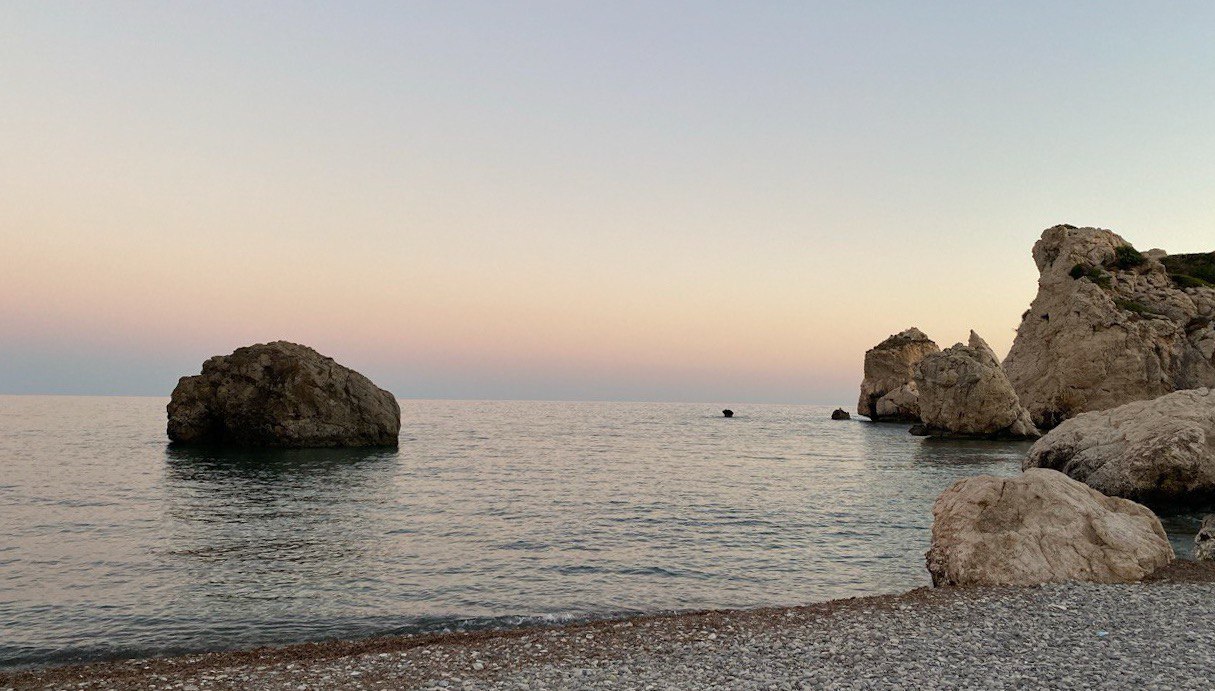
Further along the coast, Aphrodite’s Rock is one of the most iconic landmarks in Cyprus. The beach here is pebbled. So, not the best for sunbathing on. But the scenery is unforgettable. Back in town, Paphos Harbor is a relaxed place to wander, with several restaurants and cafés that overlook the water.
The great thing about visiting Paphos is that it makes a good base for exploring western Cyprus. From here, you can easily reach the Akamas Peninsula, Coral Bay, and traditional villages tucked into the hills.

The Best Hotels in Paphos
When choosing where to stay in Paphos, the area around Paphos Harbour and Kato Paphos is one of the most convenient options. This part of town suits travelers who like to be close to the sea, restaurants, and coastal walking paths, with many hotels and apartments within easy reach of everyday amenities. It works particularly well if you want a lively but manageable base where you can get around on foot for much of your stay.
Another popular area is the Tombs of the Kings, located slightly north of the main harbour. This neighbourhood tends to feel a little calmer and more spread out, with good access to the coast and several resort-style hotels. It’s a strong choice if you prefer a quieter atmosphere while still being close to town, especially if you plan to rent a car. Further inland, residential areas just outside the centre can also work well for longer stays, offering more space and easy road access for exploring the wider Paphos region.
M Boutique Hotel – Designed for Adults: M Boutique Hotel is a stylish option in a central Paphos location, just a short walk from the Municipal Baths and close to the harbour area. Its on-site restaurant serves Mediterranean cuisine with vegetarian and vegan options. It suits travelers who enjoy modern design and a relaxed atmosphere.
Elysium: Set right on the beachfront beside the Tombs of the Kings, Elysium combines a peaceful setting with easy access to Paphos’s coastal areas. The resort-style layout, pool, and spa make it a good choice if you want comfort and space without feeling cut off from town. It works well for travelers looking for a refined stay by the sea.
Minthis Resort: Minthis Resort offers a very different experience, sitting on a hillside with wide-open views rather than directly on the coast. With an infinity pool, spa and wellness centre, and beautifully maintained grounds, it’s ideal if you’re after tranquillity and scenery. This is a strong option for slower travel or a restorative stay away from busier areas.
Prettiest Villages in Cyprus
One of the best reasons to hire a car in Cyprus is that it gives you the chance to check out some of its quieter and less touristy spots.
In some of the prettiest villages in Cyprus, you’ll find a delightful mix of stone houses, vine-covered lanes, and charming family-run tavernas that serve up some truly delicious fare. These villages also often provide an insight into the more traditional way of life on the island that you simply won’t see on the coast.
Omodos is the village we most recommend you go to. It has a lovely central square, which is a great spot for people watching. The surrounding lanes are also lined with wine shops, bakeries, and charming small courtyards draped in vines. It’s a beautiful stop for lunch and a terrific place to lazily explore. Nearby, Lofou is another one of our favorite villages in Cyprus. It has been carefully restored, so wandering through its narrow passages will give you an excellent idea of what life used to be like here back in the day. The ornate stone architecture that you see all around is especially striking.
Further into the mountains, Kakopetria perfectly blends nature and tradition. The old quarter sits beside a small river, and wooden balconies overhang the lanes to give it a distinctly different feel from the rest of the island. We find this is an excellent place to escape the heat of the warmer months, as it’s much cooler here.
If you are interested in visiting somewhere even quieter, head to Lefkara. This sleepy village is defined by its pastel-colored houses and quaint balconies. It is known for its lacework and silver craftsmanship.
Best Beaches in Cyprus
Cyprus has no shortage of beautiful shoreline, and some of the best beaches in Cyprus rank up there with anything else in Europe. If you’re drawn to bright turquoise water and a lively atmosphere, Nissi Beach in Ayia Napa is one of the island’s most famous stretches of sand. It’s shallow, warm, and has everything you need to enjoy a full day by the sea.
Nearby, Fig Tree Bay in Protaras is another popular coastal destination. We love swimming and snorkeling here because the water is clear and calm. There is also a small islet just offshore that we have enjoyed paddling towards a couple of times.
If you prefer something quieter, head west to Coral Bay near Paphos. This wide, sandy beach is ideal for those who want a relaxing day of fun in the sun. It offers easy swimming and a much quieter atmosphere than the party spots on the East Coast. This makes it a lovely spot for couples and young families.
For those who want a bit more seclusion, Lara Beach on the Akamas Peninsula is your best bet. The area is protected, and the sand is a beautiful golden colour. It’s also one of the island’s important nesting sites for turtles. The best way for tourists to reach it is by rental car.
Traditional Cypriot Food to Try
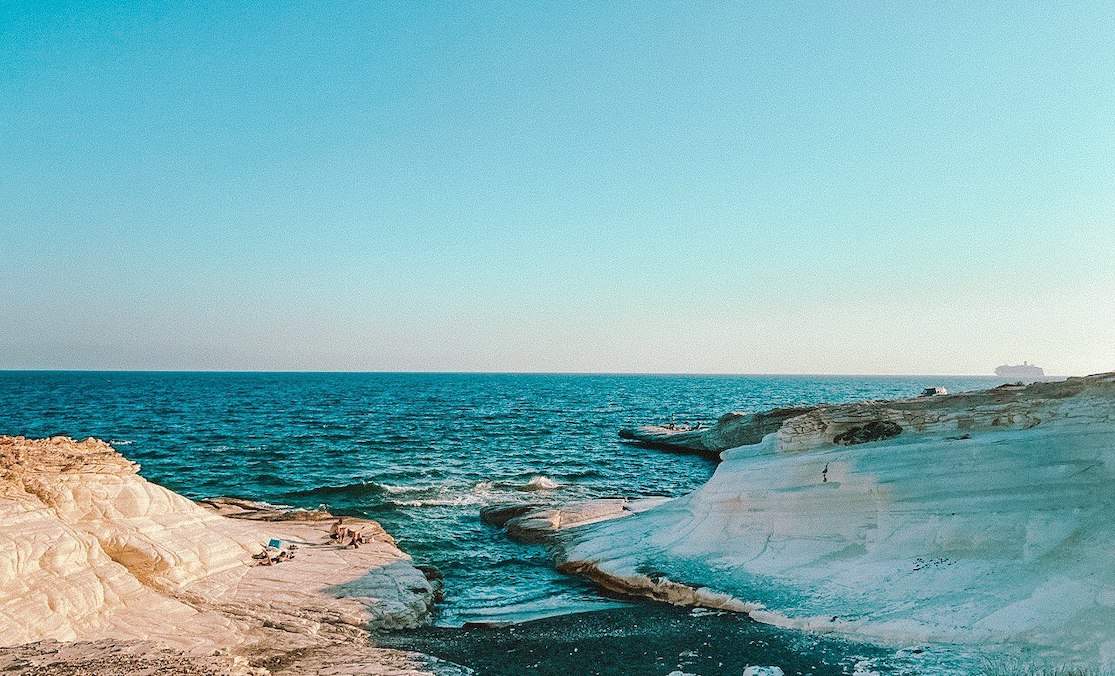
One of the best ways to experience local food is through meze, a sequence of small dishes that can include dips like tahini and tzatziki, grilled vegetables, halloumi, and slow-cooked meats.
You’ll also come across souvla, large cuts of meat cooked slowly over charcoal, and kleftiko, lamb baked until tender with herbs and potatoes. For something lighter, try louvi (black-eyed peas with greens) or kolokasi, a root vegetable cooked in tomato sauce.
Meals are often finished with seasonal fruit or a small sweet. Look out for glyko tou koutaliou, fruit preserves served by the spoon and often offered after a meal, as well as loukoumia and baklava, which you’ll find in bakeries across the island. Another local speciality is palouzes and soutzoukos, made from grape must and usually available in autumn.
Coffee in Cyprus is taken seriously and enjoyed slowly. Cyprus coffee is brewed in a small pot, similar to Greek or Turkish coffee, and served unfiltered, so it’s best sipped gently and never stirred once poured.
Cyprus Travel Itinerary: A 5-Day Snapshot
Start by basing yourself in Limassol, using the city as a hub. Spend one day exploring the seafront and Old Town at an easy pace, then use the second day for a drive into the Troodos Mountains, stopping at villages such as Omodos or Kakopetria, followed by time in Nicosia, whose historic centre offers a very different perspective on the island. This mix of coast and inland scenery gives a strong first impression of the island’s contrasts.
On day three, head to Lefkara for the morning, allowing time to stroll through its streets and stop for coffee, before continuing east to Ayia Napa. Spend the afternoon by the sea, then stay for dinner to enjoy the coastal atmosphere in the evening before returning to your base.
Day four works well for a deeper dive into Cyprus’s natural landscapes. Start with a hike near Aphrodite’s Baths in the Akamas Peninsula, then finish the day at Aphrodite’s Rock, which is especially atmospheric at sunset. For your final day, return to the Troodos Mountains and combine gentle hiking with a cultural stop. Start with an easy walk such as the Caledonia Trail or Artemis Trail, then continue on to Kykkos Monastery, one of the island’s most important religious sites, set high in the mountains.
Five days give you a strong introduction to Cyprus, but they only scratch the surface. With varied regions, slower-paced villages, and long stretches of coastline, the island easily fills a couple of weeks or more without ever feeling repetitive.

Written by Inessa Rezanova
I’m a travel writer, keen to see the world and share its stories. I’m Ukrainian, and I continue to explore my country even in times of full-scale invasion. Not just because I love it, but because I believe in showing the world the beauty, strength, and humanity that exists here, even now.
